



Resources
Your clarity
starts here.

Articles

Can rTMS Help With Addiction?
Repetitive transcranial magnetic stimulation (rTMS) is an established treatment for people with depression that hasn’t responded to medication or therapy. By delivering carefully timed magnetic pulses to the left dorsolateral prefrontal cortex, rTMS gently nudges...

Menopause Support
Perimenopause and menopause can change how the brain feels in daily life. Focus may take more effort. Word recall may feel slower. Sleep can shift. Emotional steadiness can move up and down through the month. Many women describe this as brain fog, though the...

Mental Clarity
Mental clarity shapes how we move through the day. It affects how we focus, make decisions, remember details, complete tasks, communicate clearly, and respond to stress. When clarity feels strong, daily life feels more manageable. When the mind feels scattered, foggy,...

Performance & Recovery
Performance begins in the brain. Whether you are training, working, parenting, leading, caregiving, or simply trying to stay consistent with your health, the brain is central to how you show up. Focus matters. Emotional regulation matters. Sleep matters. Recovery...
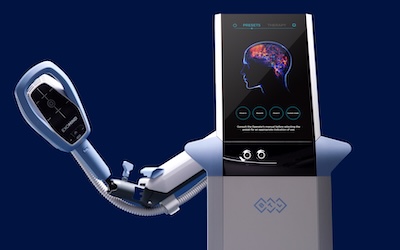
Psychiatry 3.0
The Next Chapter in Psychiatric Care Mental health care has changed profoundly over the past 150 years. Each era has helped us understand suffering, healing, and the brain in a deeper way. First, care focused on the unconscious mind: the stories, memories, fears, and...

Sleep Quality
Sleep is one of the brain’s most important recovery systems. It supports memory, emotional regulation, focus, stress response, patience, decision-making, and the ability to feel steady through the demands of daily life. When sleep quality shifts, the impact often...
Process
What to expect from your first consultation.
- A 20–30 minute conversation
- Focused and personal
- Clear next steps
Science
Transcranial Magnetic Stimulation
Exomind brings this established form of brain stimulation into a calm, guided treatment experience. Sessions take place while you remain awake and comfortable, with each plan shaped around your goals, health history, and clinical needs.
FAQ