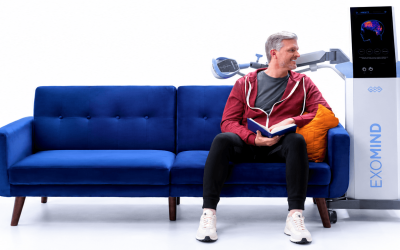



Repetitive transcranial magnetic stimulation (rTMS) is an established treatment for people with depression that hasn’t responded to medication or therapy. By delivering carefully timed magnetic pulses to the left dorsolateral prefrontal cortex, rTMS gently nudges dysregulated neural circuits back toward healthier patterns of activity. The procedure is non-invasive, requires no anesthesia, and is typically done on an outpatient basis.
What makes this especially interesting is that many other conditions also involve poorly regulated brain circuits. Addiction is one of them.
Research has shown that substance use disorders disrupt circuits in the prefrontal cortex and cingulate regions of the brain. These disruptions can affect the balance between dopamine and glutamate systems, as well as the brain’s stress-control networks (Volkow et al., 2016). Because rTMS can target some of these same stress-control systems, scientists have begun asking a logical question:
Could rTMS also help people struggling with addiction?
Early evidence suggests the answer may be yes.
Researchers have tested rTMS in people dependent on cocaine, methamphetamine, and alcohol, as well as those with gambling disorder and binge-eating disorder. While the body of research is still growing, the results so far are encouraging.
A recent meta-analysis, a study that pools findings from multiple individual trials, found that just 10 sessions of rTMS significantly reduced alcohol craving. Importantly, the benefit lasted for at least three months after treatment ended (Treiber et al., 2025).
In a separate proof-of-concept study focused on cocaine use disorder, participants who received accelerated intermittent theta-burst stimulation, a form of rTMS, reported reductions in both the amount and frequency of cocaine use one month after treatment. They also showed improvements in sleep and mood (Steele et al., 2019).
Taken together, these findings point to a treatment approach that is practical and relatively easy to integrate into daily life. rTMS does not require overnight stays or intensive inpatient programs. Sessions are short, the procedure itself is painless for most people, and patients can return to their daily routines immediately afterward. For individuals trying to reduce substance use while still managing work, family, and other responsibilities, that convenience matters.
More research is needed to refine protocols, identify who benefits most, and understand long-term outcomes. Still, the early data offer genuine hope: a non-invasive tool that may help reduce cravings, reduce substance use, and support recovery without major disruption to everyday life.
If you or someone you care about is exploring treatment options for a substance use disorder, it’s worth discussing emerging approaches like rTMS with a qualified clinician. The science is still evolving, but the potential is real.
Ready to explore Exomind rTMS?
Victoria Memory Clinic focuses exclusively on Exomind rTMS treatment in Victoria, BC. Led by Dr. Ingrid Friesen, our clinical team works with this technology every day, bringing focused experience and individual attention to every consultation and treatment plan.
If you’re curious about whether Exomind may be appropriate for what you’re experiencing, start with a free consultation. We’ll answer your questions, talk through your goals and symptoms, and explain what treatment could look like for you.