ADHD is one of the most common neurodevelopmental disorders of childhood, occurring in approximately 5% of the population worldwide. The core symptoms of ADHD include deficits in attention, executive dysfunction, and hyperactivity and/or impulsivity. These symptoms can be disruptive at school, work, and in relationships. Pharmacological and behavioural treatments are most commonly prescribed. Concerns about medication side effects, stigma surrounding the use of medications, or poor therapeutic response pose challenges to successful management of the disorder. Research suggests that 40 to 60% of individuals with ADHD continue to experience problematic symptoms into adulthood.
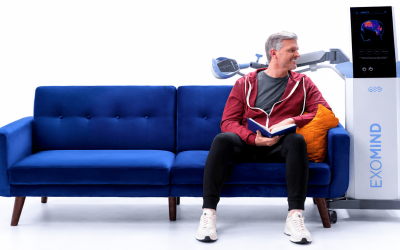
One emerging approach that is attracting attention is repetitive transcranial magnetic stimulation, or rTMS. This non-invasive technique uses magnetic pulses to stimulate specific areas of the brain. Most protocols target the prefrontal cortex, the region involved in attention, working memory, and cognitive control. Studies suggest that rTMS can influence dopamine release and promote synaptic plasticity, two processes thought to be relevant to ADHD.
In 2023, Chen and colleagues published a meta-analysis of 5 studies that examined whether rTMS was beneficial for adults who had been diagnosed with ADHD. All studies included a control group (i.e., they were provided with sham rTMS). Their results showed that rTMS was more effective in improving sustained attention (being able to focus for a prolonged time) and processing speed in the ADHD group compared with the control group. A more refined analysis examining the efficacy of rTMS targeting different brain regions showed that there was no additional therapeutic benefit when targeting the right prefrontal cortex.
These findings are encouraging because sustained attention and processing speed difficulties are among the most common and functionally impairing problems for people with ADHD. The evidence, however, is still modest and more clinical trials are required.
An important practical development is that the FDA has already cleared rTMS for major depressive disorder in adolescents as young as 15 years. That clearance opens a clearer pathway for clinicians to consider rTMS in young people who have both ADHD and depression.
The first line of treatment for ADHD remains medication and behavioural interventions. But, for adults and older adolescents who continue to struggle, rTMS represents a promising, non-pharmacological option worth watching as the research evolves.
Ready to explore Exomind rTMS?
Victoria Memory Clinic focuses exclusively on Exomind rTMS treatment in Victoria, BC. Led by Dr. Ingrid Friesen, our clinical team works with this technology every day, bringing focused experience and individual attention to every consultation and treatment plan.
If you’re curious about whether Exomind may be appropriate for what you’re experiencing, give us a call. We’ll answer your questions, talk through your goals and symptoms, and explain what treatment could look like for you.